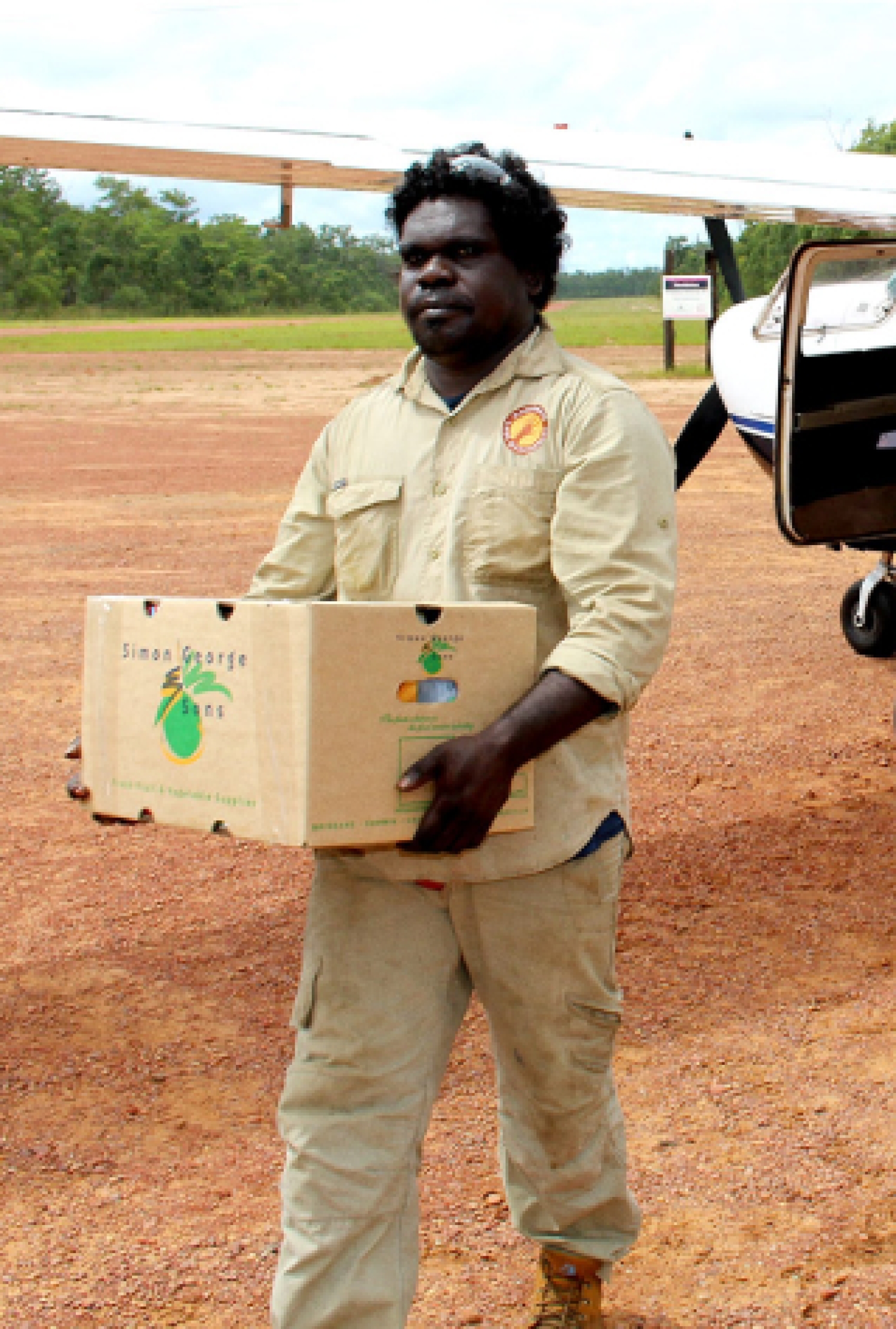
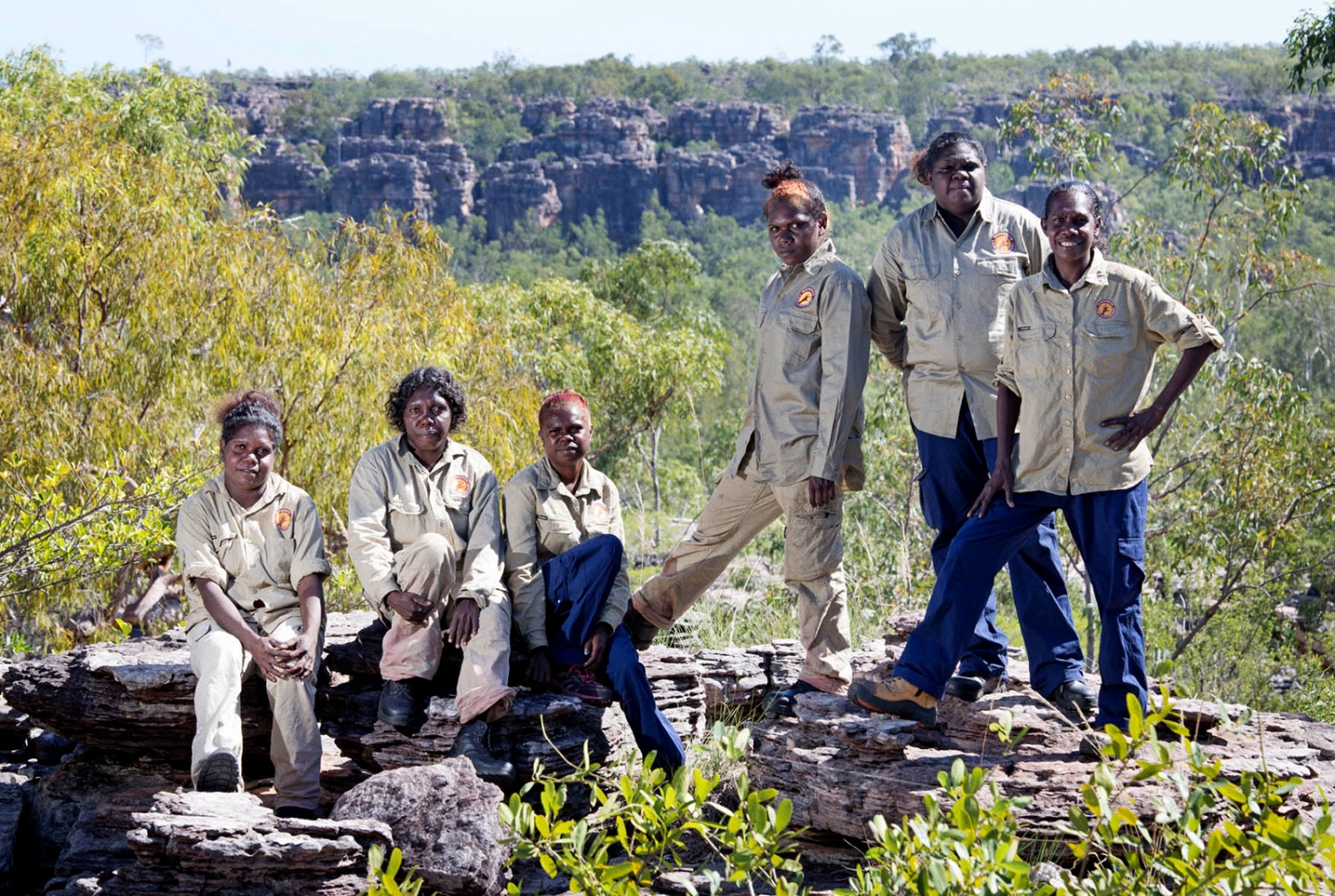
An IPA is an area of land and/or sea Country managed by First Nations peoples, usually rangers, who are guided by the decision-making and ambitions of Traditional Owners. The federal government’s IPA Program has supported First Nations communities to voluntarily dedicate and manage their land as protected areas since the 1990s.
Overall, this approach has strengthened cultural heritage management and greatly improved biodiversity outcomes, demonstrating the profound connection between people and Country.
The ASRAC IPA was first proposed in 2019, consisting of 14,000 square kilometres of vast wetlands, tall tropical forests, savanna woodlands and weathered sandstone plateau to be recognised as an IPA.
At the heart of this area lies Gurruwiling (also known as Arafura Swamp), the largest freshwater ecosystem in Arnhem Land, and the largest paperbark swamp in Australia. Gurruwiling features vast areas of paperbark forest, numerous lagoons, grass and sedgeland plains, floating mat communities, sandstone hills, sinkholes, and springs.
It is highly unique, with an impervious basement, perennial inflow from springs and no continuous river channel to the sea. The swamp is fringed by extensive woodlands along with numerous patches of rainforest. It is considered a Key Biodiversity Area, supporting a unique array of native species, including saltwater crocodiles, magpie geese, long-neck turtles and water lilies.
More broadly, 27 nationally threatened species are known to occur in this unique biodiverse corner of Arnhem Land, including the Eastern Curlew, Northern Quoll, Northern Hopping-mouse and Gouldian Finch.
For Bi and Yolngu peoples, Gurruwiling and surrounding Country are core to cultural practices and livelihoods. Since time immemorial, the many different clan groups who speak for Gurruwiling have gathered their traditional foods and materials from the swamp.
Many of the totems of these clan groups are associated with the animals and plants of the wetland. The giant palm Corypha elata—referred to as Gulwirri or Balangulo—has sacred symbolism. Whereas the paperbark known as Melaleuca viridiflora is not a totem that belongs to any particular clan or ceremony, as it grows on everyone’s country. This is why it was chosen to be the symbol for ASRAC.
Today, the organisation is supporting clan groups to create on-Country employment and economic opportunities through the swamp. Through a fusion of traditional knowledge and contemporary innovation, they are harvesting crocodile eggs for skin and meat trade. They are also exploring Aboriginal fisheries and other sustainable enterprises. The future of Gurruwiling and its custodians are closely bound. For Traditional Owners to enjoy spiritual, physical and economic health, the swamp must be healthy too.
In addition to deserved recognition of this region and its custodians, this declaration marks the commencement of greater federal support for the eight ranger groups who have worked together under the ASRAC banner since 2013. Through this framework, these ranger groups continue their ancestors’ legacy of caring for Gurruwiling and surrounding Country.